
Estate
The challenges of Clos Saint Conti
Clos Saint Conti is not only about terroir: it stands for a way of farming. The estate responds to the limits of intensive agriculture through patient work on soils, water, biodiversity, the cellar and health.
15 to 17 hectares of vines
12+ grape varieties
Organic and biodynamic farming
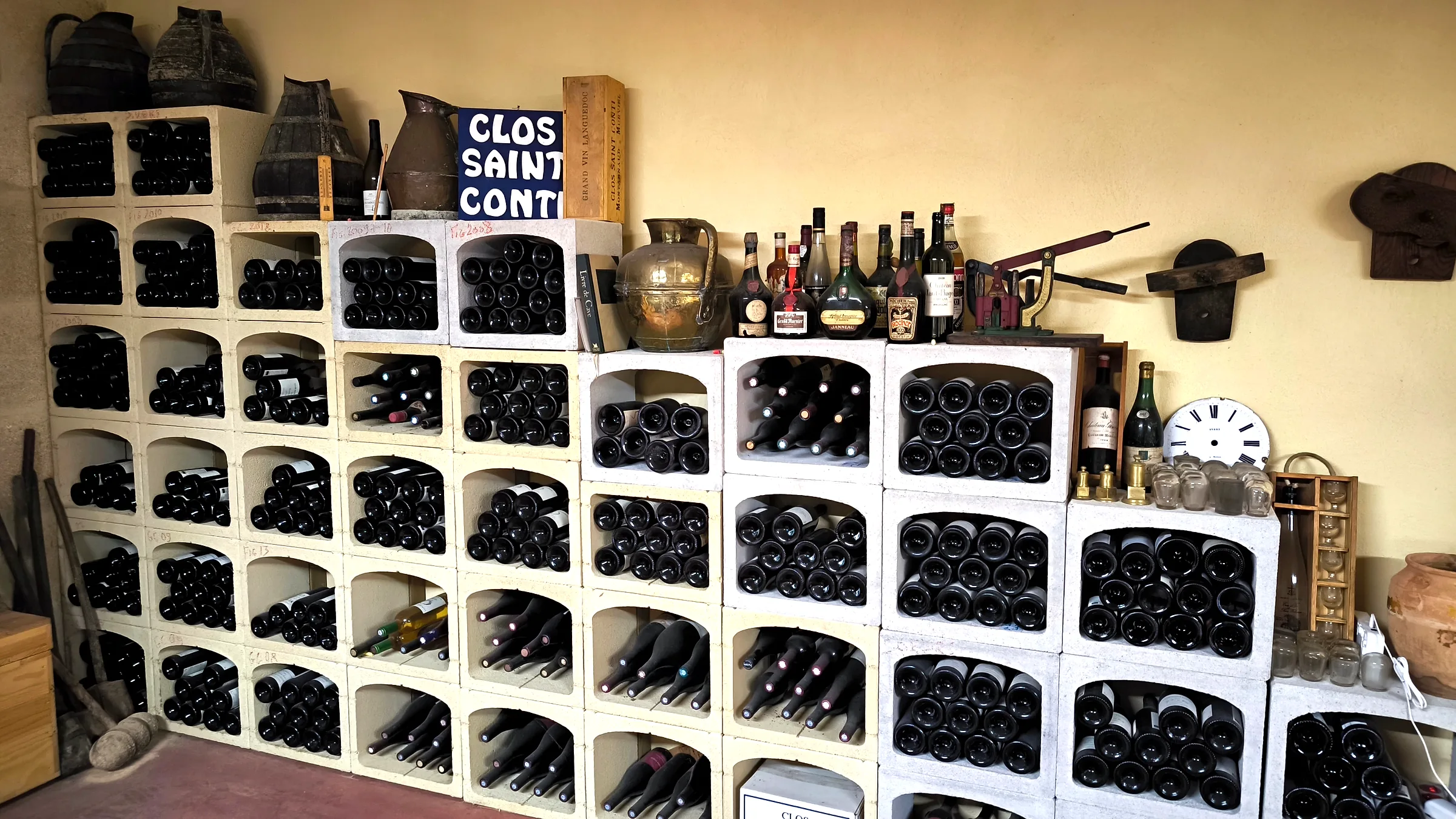
The place before the story
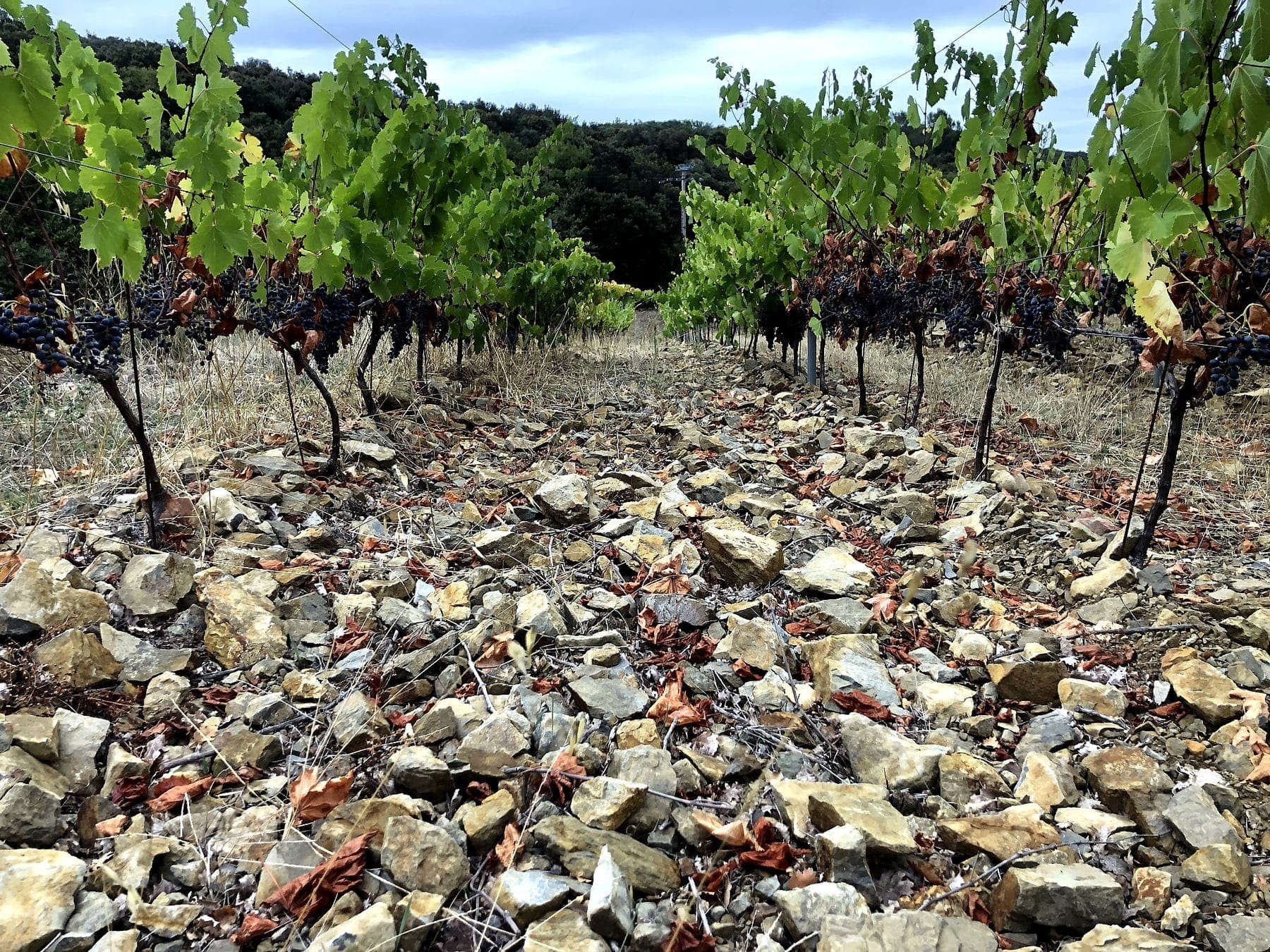
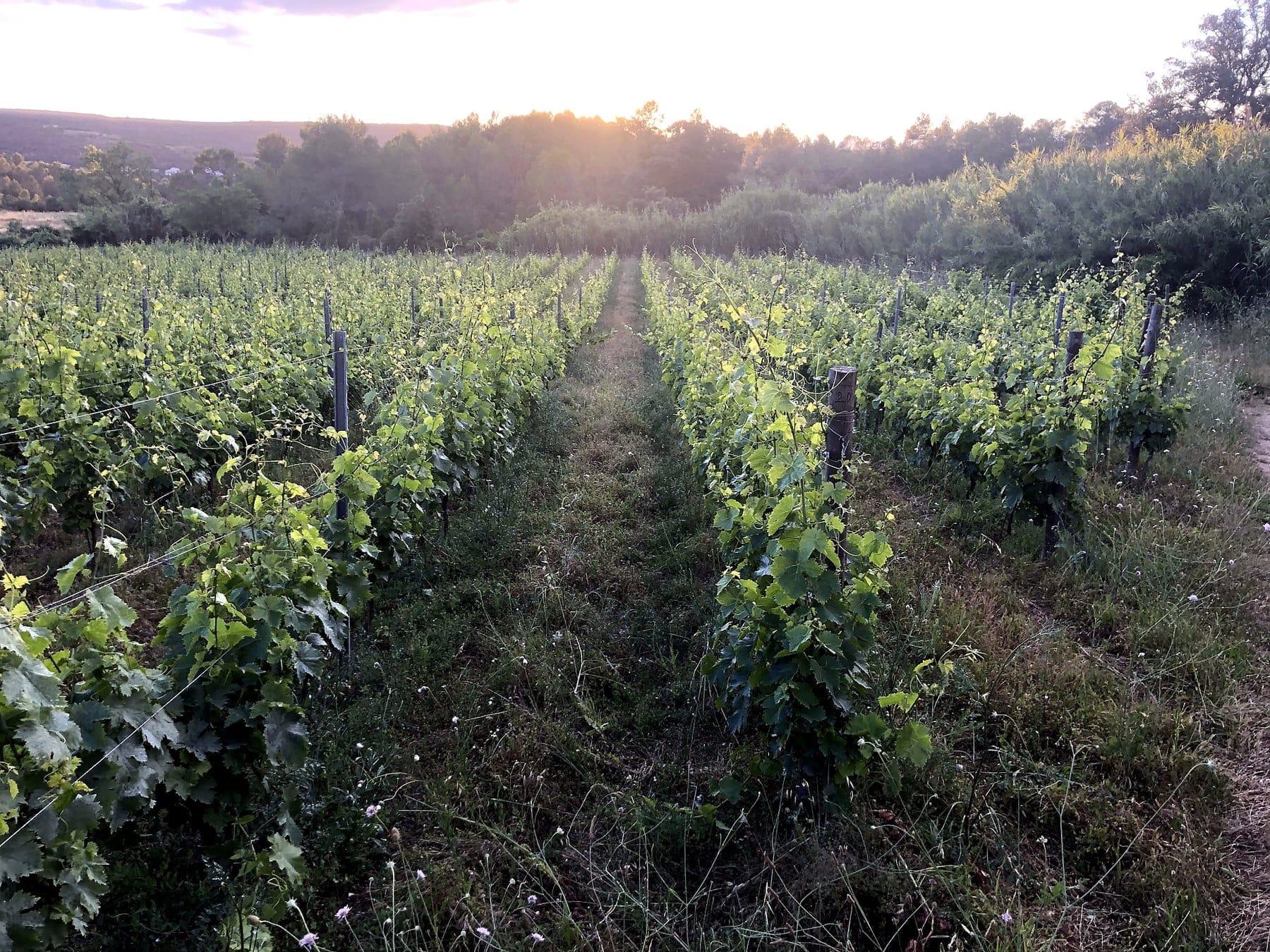
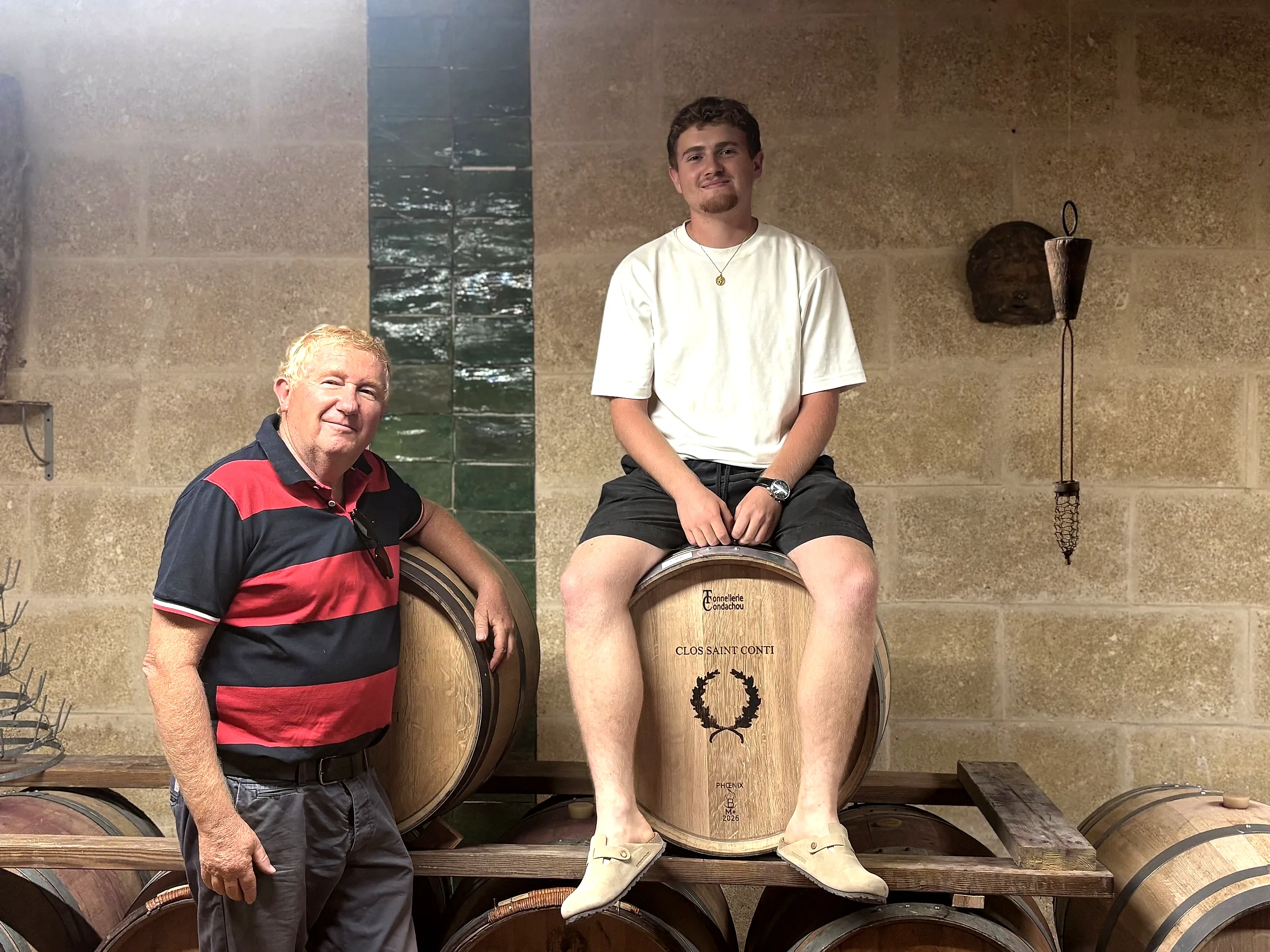
The cellar, old vines, cover crops, olive trees and the two generations who work the estate: these images show it without turning it into a staged setting.
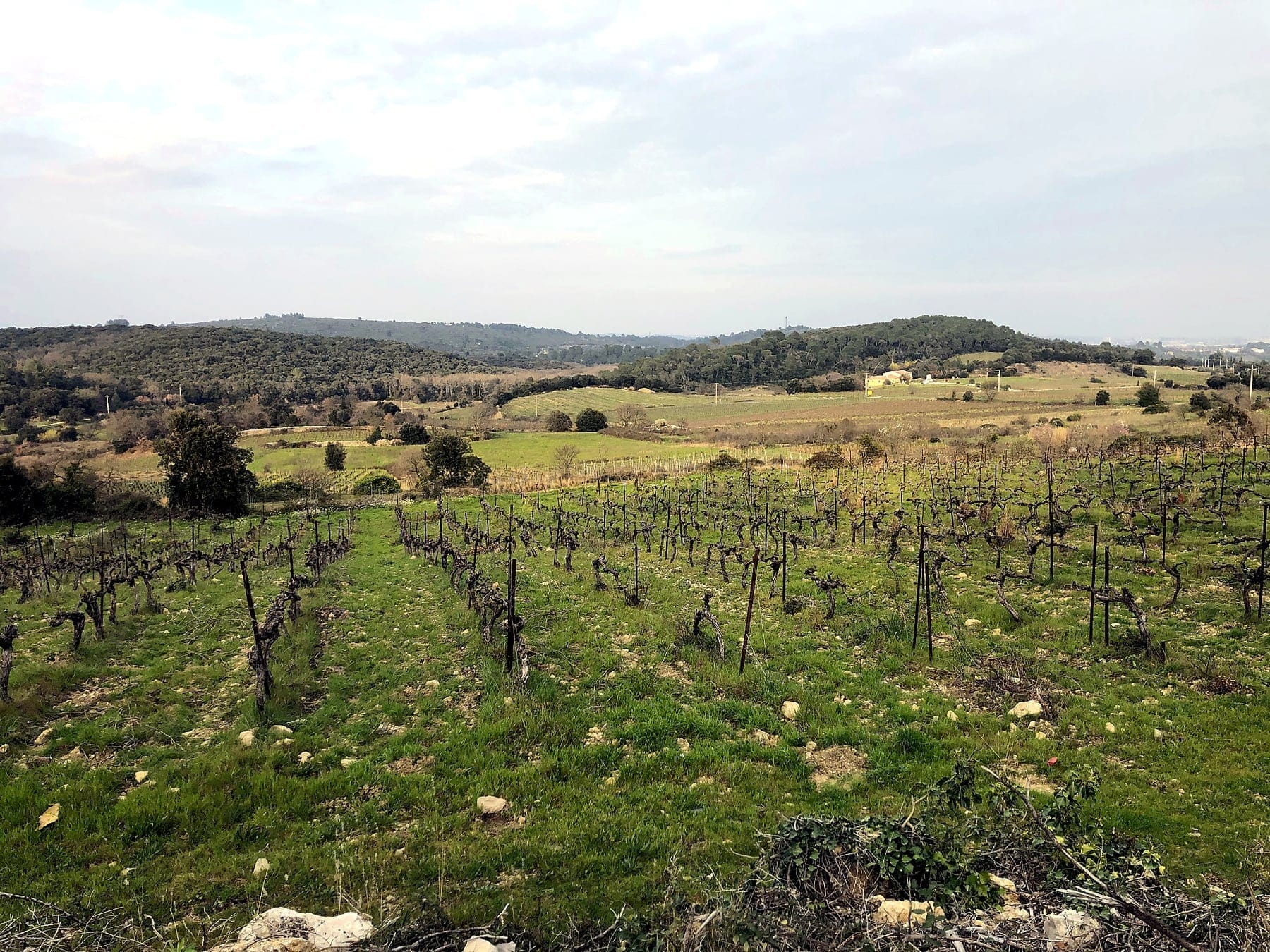
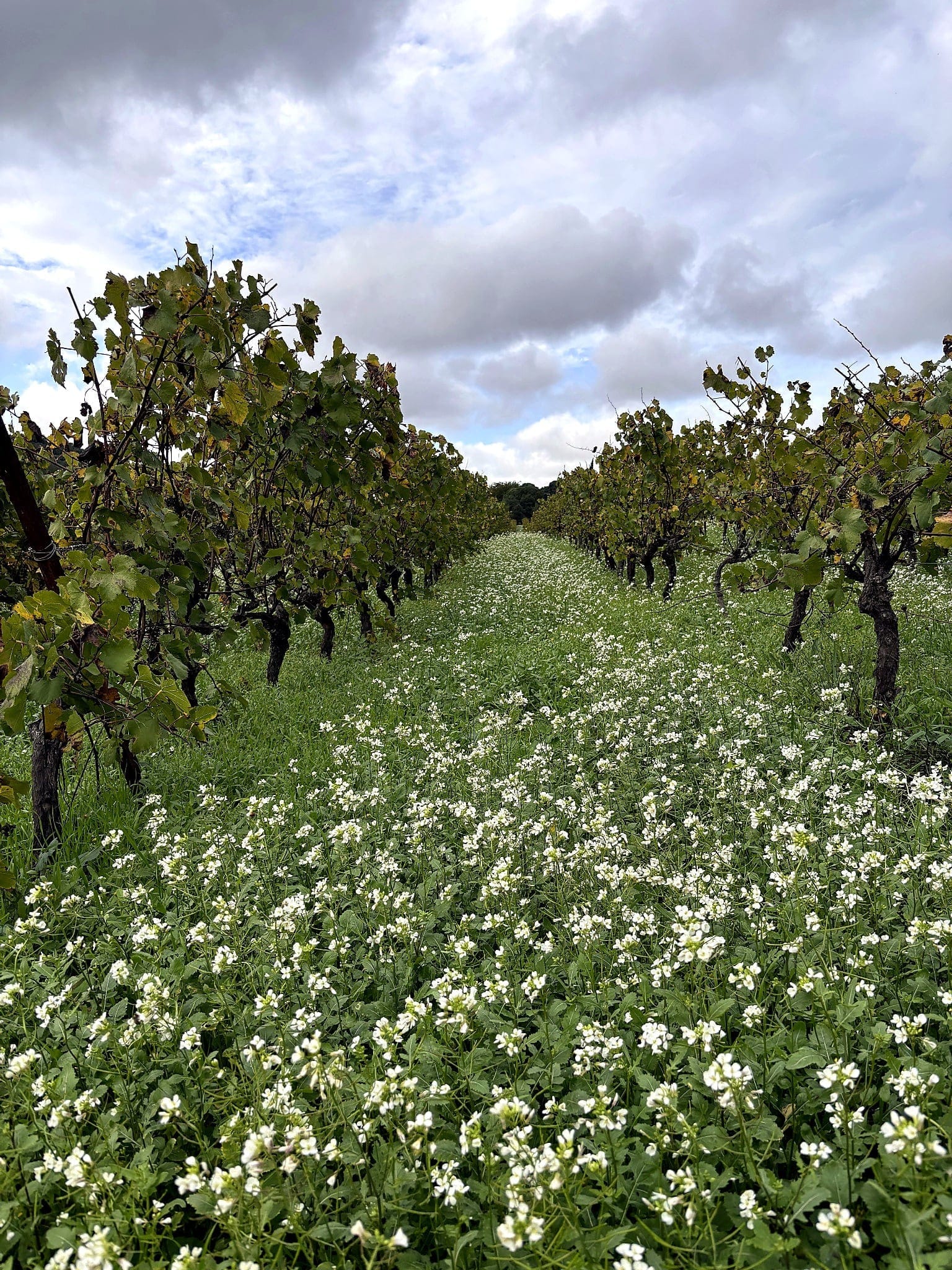
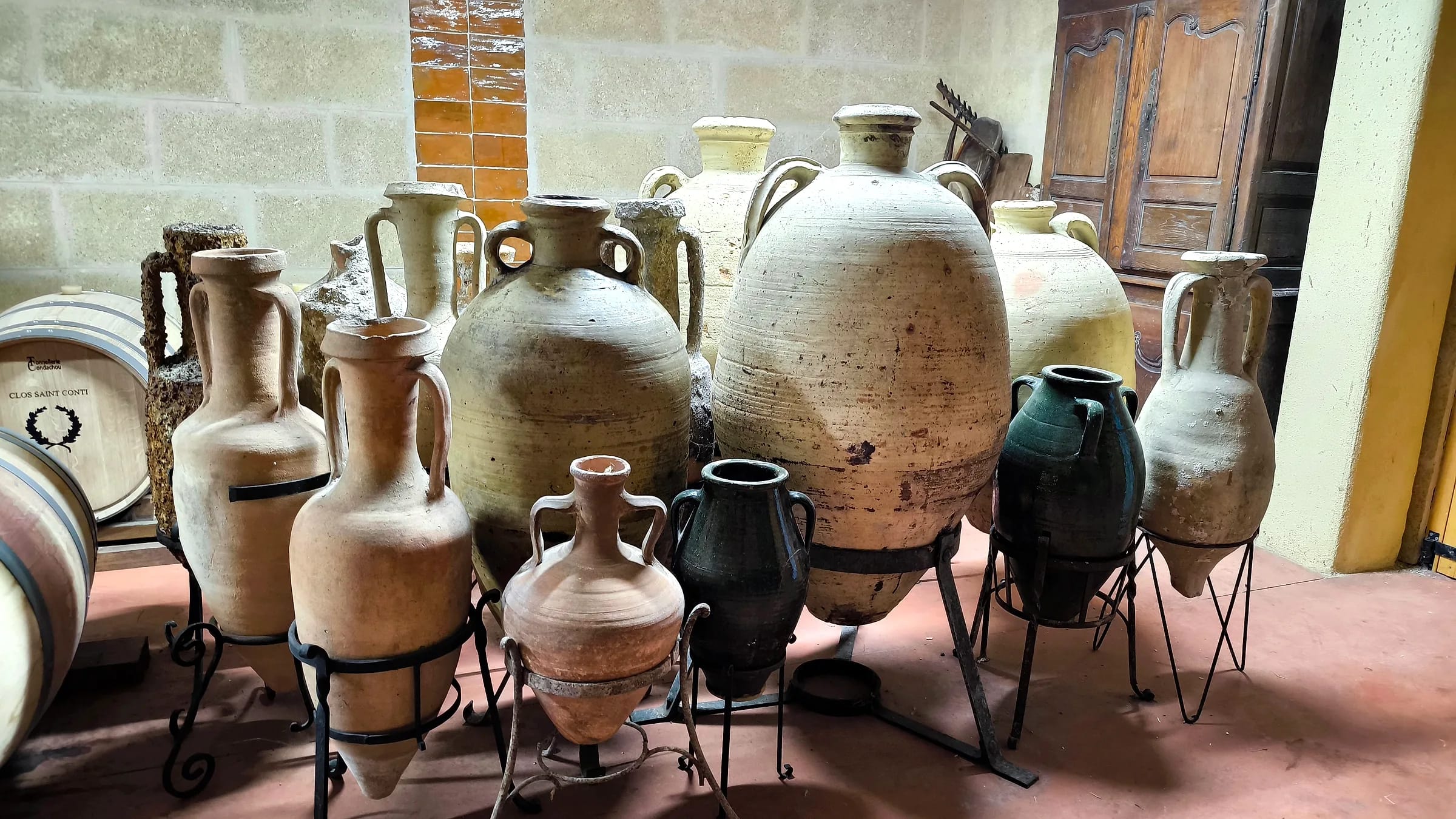
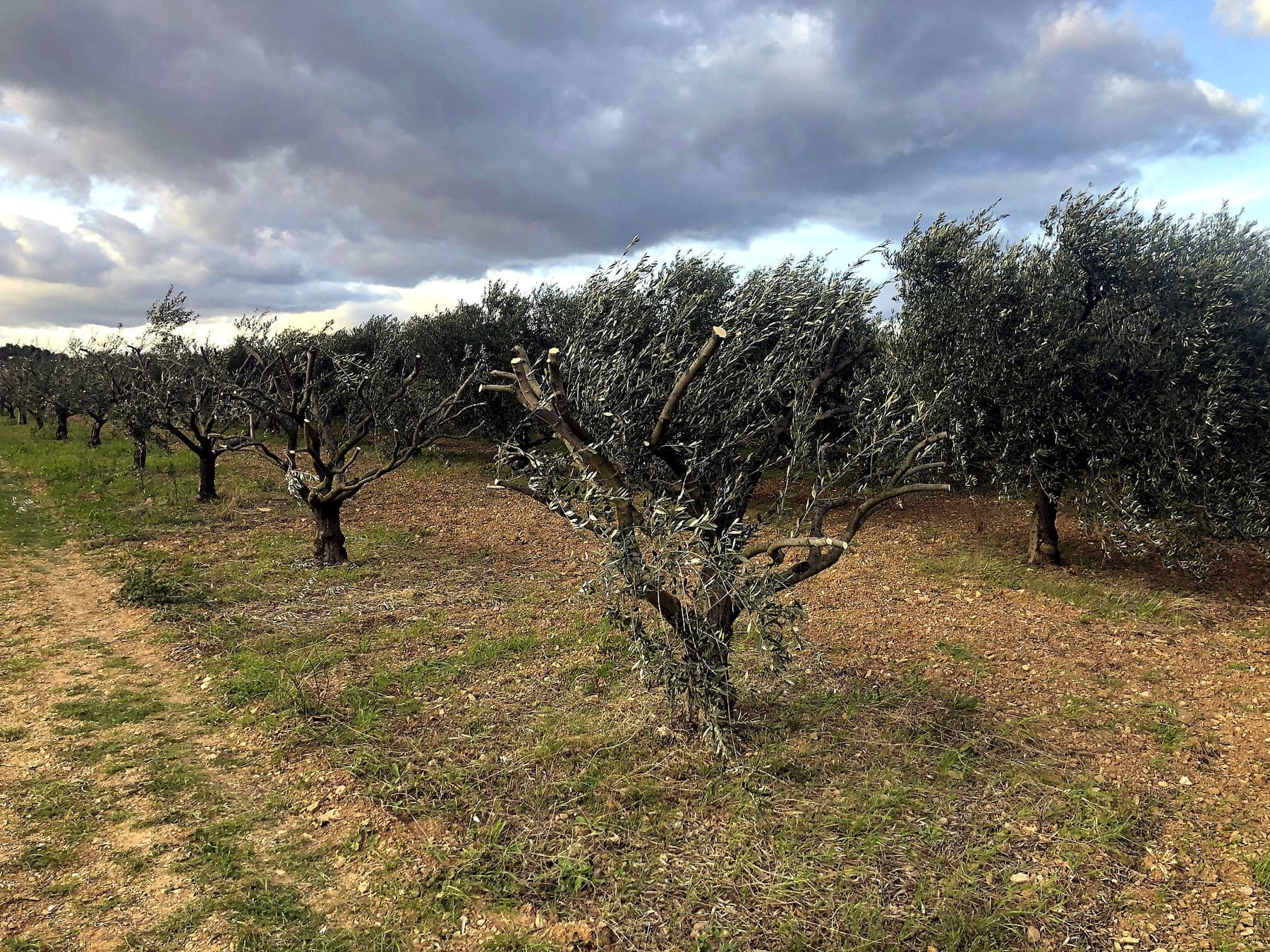
01
Restoring soil richness
The estate starts from a clear observation: high yields and intensive farming depleted vineyard soils. Clos Saint Conti responds by feeding organic matter back into the soil and reducing practices that weaken it.
Compost, crop residues and winemaking residues returned to the soil.
Shredded vine shoots and grape stalks used to feed the land.
Reduced tillage, both in frequency and depth.
Plants grown between rows after harvest to reduce erosion.
Vineyard work guided by biodynamic principles.
02
Reducing ecological impact
The estate works to reduce its impact at every step: fewer inputs, less water, fewer unnecessary journeys and a cellar designed to consume less.
Short supply chains favoured to keep the estate rooted locally.
Ecological cellar with insulation, partly underground structure, solar panels and rainwater recovery.
No irrigation in the vineyard.
Natural vineyard protection methods instead of polluting chemical products.
Natural fertilisers: compost, legumes, shredded vine shoots and stalks.
03
Bringing biodiversity back
Birds, insects, earthworms, pollinators and hedge wildlife provide essential services: pollination, organic matter recycling, pest regulation and soil care. The estate shapes its work to welcome them back.
Small parcels to preserve varied environments.
Maintained hedges and natural refuges.
Nest boxes to encourage birds.
No herbicides or pesticides harmful to insects, birds, fish and soil organisms.
Limited tillage to protect underground life.
04
Protecting health
The organic and biodynamic approach is also a health matter. For many years the estate has removed synthetic chemical products to reduce risks for consumers, growers, animals and soils.
No chemical herbicides in the vines.
No synthetic pesticides in vineyard management.
Less exposure for people working the parcels.
Wines intended to stay faithful to fruit and place, away from industrial language.
Agricultural coherence
These choices are not decorative: they explain the small yields, characterful wines, the role of the cellar and direct customer relationships. The estate moves like a family wine farm, with concrete decisions rather than a fabricated image.